Belgium at a Glance
Belgium is one of the smallest yet most densely populated countries in Europe. It is strategically located between France, Germany, the Netherlands and Luxembourg – meaning you can reach other European capitals within just a couple of hours from any Belgian city. Belgium is also the de facto headquarters of the European Union and NATO.
Key facts:
- Population: ~11.7 million
- Capital: Brussels (Bruxelles / Brussel)
- Most popular student cities: Antwerp, Ghent, Bruges, Kortrijk, Leuven, Mechelen and other university towns
- Currency: Euro (EUR)
- Government: Federal constitutional monarchy (King Philippe)
- EU member: Since 1958 (founding member)
- Climate: Temperate maritime – mild winters (2–6 °C), cool summers (18–23 °C)
- Safety: A safe country with a well-developed social system
Culture and People
Belgium is unique because three distinct cultures and languages coexist within one small country. The northern part (Flanders) speaks Dutch, the southern part (Wallonia) speaks French, and a small eastern community speaks German. This cultural diversity creates an exceptionally international and open atmosphere – ideal for international students.
Key cultural traits:
- Multiculturalism: Belgium is one of the most multicultural countries in Europe – different languages, traditions and perspectives naturally coexist here.
- "Gezelligheid": Similar to the Danish "hygge", Belgians value cosiness, togetherness and the pleasures of life – good food, beer and great company.
- Openness: Belgians are tolerant and welcoming towards other cultures – international students quickly feel at home here.
- Humour: Belgians are known for their self-deprecating humour and ability to laugh at themselves.
- Compromise culture: With three communities sharing one country, Belgians are excellent negotiators and masters of compromise.
Language and Communication
Belgium has three official languages: Dutch (Flanders), French (Wallonia) and German (a small eastern region). Most study programmes offered through Kastu are located in the Flanders region, where Dutch is the main language.
However, this should not worry you – the majority of Flemish people speak excellent English, especially young people and the academic community. At universities, in shops and in everyday life, English is widely understood and used.
All study programmes available through Kastu in Belgium are taught entirely in English, so you do not need to know Dutch or French. That said, if you want to integrate more deeply, many universities offer free Dutch language courses – a great opportunity to get closer to the local culture.
Transport and Getting Around
Belgium is a compact country with an excellent public transport system. From any city you can reach any other corner of Belgium within an hour or two, and thanks to its central location in Europe, neighbouring countries are just as easy to get to.
How to get around in Belgium:
- Trains (NMBS/SNCB): Belgium has one of the densest railway networks in Europe. Trains connect all cities and are the main mode of intercity transport.
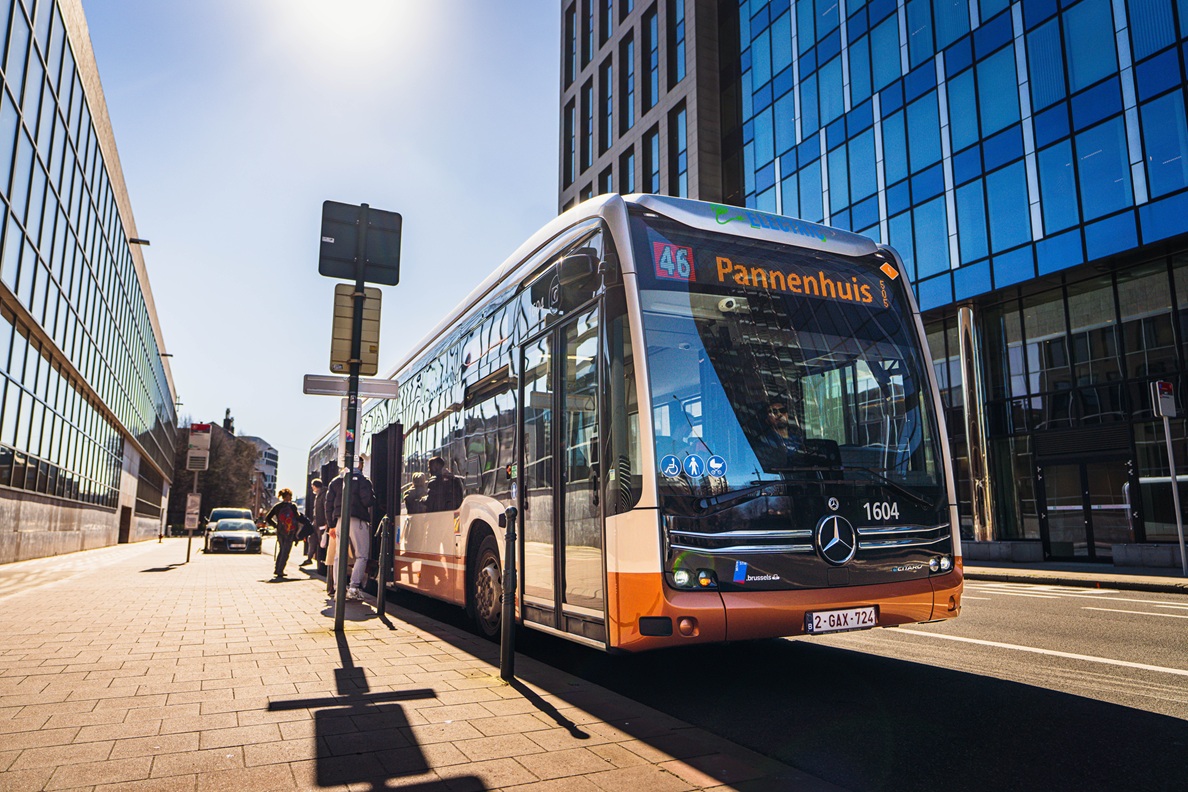
- Buses and trams (De Lijn): In the Flanders region, public transport is operated by "De Lijn" – buses and trams run in all cities.
- Cycling: Particularly popular in Flemish cities – many students cycle daily. Some cities offer bike-sharing schemes specifically for students.
- Student discounts: Students receive significant transport discounts, and in some cities (e.g. Kortrijk) public transport is completely free for students!
Belgium is also a perfect base for travelling across Europe – Paris, Amsterdam, Luxembourg and Cologne are all reachable within 1–2 hours by train.
Student Life in Belgium
Studying in Belgium is not just about academics – it also means an incredibly active social life. Belgian universities have a long-standing student culture tradition that helps you adapt quickly and make friends from all over the world.
What do students do in Belgium?
- Student organisations: Belgium has hundreds of student organisations – from sports clubs to academic societies. Everyone can find an activity that matches their interests.
- "Studentendopen" and "TD" parties: Belgian universities are famous for their student party culture – a great way to meet new people and build friendships.
- International environment: Belgian universities attract students from all over the world – a fantastic opportunity to experience different cultures.
- Festivals: Belgium is famous for music festivals (Tomorrowland, Rock Werchter, Pukkelpop) and cultural events throughout the year.
- Travel: Thanks to Belgium's central location in Europe, you can easily visit Paris, Amsterdam or Cologne on weekends.
Working While Studying
EU citizens can work in Belgium without any restrictions – both during the academic year and during holidays. Belgium offers students a particularly favourable tax system that allows you to earn more while paying less in social contributions.
What you need to know:
- Student work quota: Every student has a 650-hour annual quota during which only a minimal social security contribution applies (just 2.71%). This means almost everything you earn stays in your pocket.
- Average hourly wage: ~13 EUR/hour
- Studietoelage (Flemish grant): Working students may be eligible for the Flemish government study grant – a non-repayable financial support that can amount to several thousand euros per year.
- Popular student jobs: Hospitality, logistics, retail, administration, event management
The amounts listed are approximate. For exact figures, please visit the finances section.

Food and Cuisine
Belgian cuisine is one of the most celebrated in Europe – and for good reason. This small country has created a culinary culture that attracts food lovers from around the world. For students, this means excellent food at affordable prices.
What to try:
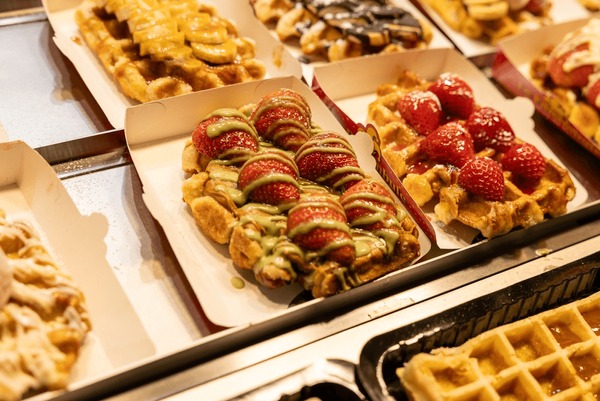
- Belgian waffles: Two types – Brussels waffles (light, crispy) and Liège waffles (soft, sweeter with caramelised sugar). Both are unforgettable.
- Chocolate: Belgium is the world capital of chocolate – you will find hundreds of chocolate shops and workshops here.
- Belgian beer: More than 1,500 beer varieties – from Trappist ales to fruity lambics. Beer culture here is a UNESCO heritage.
- Frites (Belgian fries): Authentic Belgian "frites" – double-fried and served with dozens of different sauces.
- Student restaurants: Universities have student restaurants where a full hot meal costs only ~5–8 EUR.
Frequently Asked Questions
Is Belgium safe to live in?
Yes. Belgium is a safe country with a well-functioning law enforcement system. University cities are particularly calm and student-friendly. As in any European country, it is advisable to follow common safety practices, but the overall environment is very secure.
Do I need to speak Dutch or French?
No. All study programmes available through Kastu are taught in English, and most Belgians (especially in the Flanders region) speak excellent English. In everyday life – shops, cafés, public transport – English is widely understood. However, if you want to integrate more deeply, universities offer free Dutch language courses.
How much does it cost to study in Belgium?
Tuition fees for EU citizens in Belgium (Flanders region) are among the lowest in Europe – approximately ~1,200 EUR per year. This is a standardised amount across the region. For exact figures, please visit the finances section.
Can I work while studying?
Yes! EU citizens can work without restrictions. Belgium offers students a 650-hour annual quota with minimal social security contributions (2.71%), so almost all your earnings stay with you. The average student wage is approximately ~13 EUR per hour. For more details, check the finances section.
Is Belgium expensive for students?
Belgium has a moderate cost of living. Monthly expenses (accommodation, food, transport, leisure) are approximately ~1,050–1,400 EUR. However, this is offset by good wages, student discounts and the possibility of receiving the Flemish study grant. For exact amounts, please visit the finances section.
How does public transport work?
Belgium has one of the densest railway networks in Europe – trains connect all cities. In the Flanders region, buses and trams are operated by "De Lijn". Students receive significant discounts, and in some cities public transport is completely free for students. Cycling is also very popular – many students use a bike as their main mode of transport.
How do I find accommodation in Belgium?
Most students in Belgium live in so-called "kot" – student rooms. Universities help you find accommodation and often have their own dormitories or partner rental platforms. Rent varies by city – on average around 400–650 EUR per month. It is recommended to start looking early, especially in larger university cities.
What is the Studietoelage (Flemish grant)?
The Studietoelage is a non-repayable study grant offered by the Flemish government, available to EU students as well. The main way to qualify is by working in Belgium during your studies (minimum 32 hours/month over 12 months). The grant amount depends on your income and can reach several thousand euros per year. For exact conditions and amounts, visit the finances section.
Is it easy to make friends and integrate?
Yes! Belgian universities have a very active student community with hundreds of organisations, events and activities. Special orientation weeks, buddy programmes and integration events are organised for international students. Belgians are open and friendly – integrating here is genuinely easy.
What should I do when I arrive in Belgium?
Upon arrival in Belgium, you need to register at your local municipality (Commune/Gemeente) within 8 days – there you will receive your Belgian national number. You also need to register with a health insurance fund (Mutualiteit) – for students this costs approximately 120–200 EUR per year. Your university will help you with all administrative steps and provide the necessary guidance.