What Makes the Learning Style in the Netherlands Unique?
The Netherlands education system is known for its student-centered and interactive approach to learning. Rather than passively absorbing information, you are expected to actively participate in discussions, challenge ideas, and collaborate with fellow students from around the world. Lecturers encourage you to think critically, express your opinions, and apply knowledge to real-life situations.
Key features of the academic culture:
- Problem-Based Learning (PBL): Most study programmes focus on solving real-world problems. You will analyse actual cases and develop practical solutions — a skill highly valued by employers.
- Teamwork: A significant part of your assignments and projects will be done in diverse international groups. This builds collaboration skills and cross-cultural understanding.
- Practical application: Depending on your field of study, you will gain hands-on experience through internships at companies or experiments in modern laboratories.
- Open-minded culture: The Dutch learning culture is built on respect for every individual's perspective. Studying here helps you develop an open mindset and a truly international outlook.
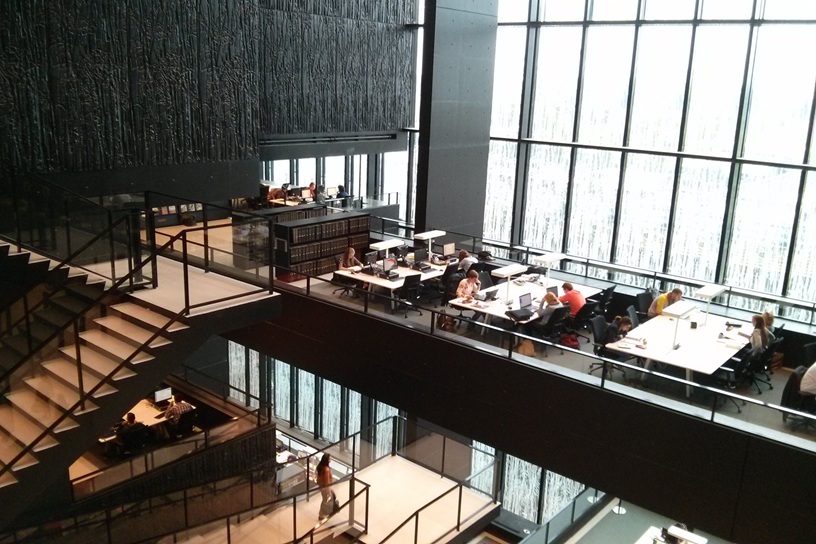
Types of Higher Education Institutions
The Netherlands education system is divided into two main types of institutions: Research Universities and Universities of Applied Sciences. Understanding the difference between them will help you choose the study path that best matches your goals and ambitions.



Study Degrees and Structure
Depending on the type of institution you choose, the duration and structure of your studies will differ. In the Netherlands, you can obtain either a professional or an academic Bachelor's and Master's degree.
1. Bachelor's at a Research University (WO)
These programmes last 3 years (180 ECTS credits). The focus is on developing deep theoretical and scientific knowledge. The curriculum ranges from broad foundations to highly specialized topics. You will complete mandatory courses, electives, and a final Bachelor's thesis. After graduation, you can continue to a Master's programme or start your career.
2. Bachelor's at a University of Applied Sciences (HBO)
These programmes last 4 years (240 ECTS credits), although many offer an accelerated track that can be completed in 3 years. During the first two years, you attend lectures and work on projects. In the third year, you complete a mandatory internship at a Dutch or international company. The fourth year is dedicated to your graduation project combined with a second internship. This path is ideal if you want to be fully prepared for a specific profession.
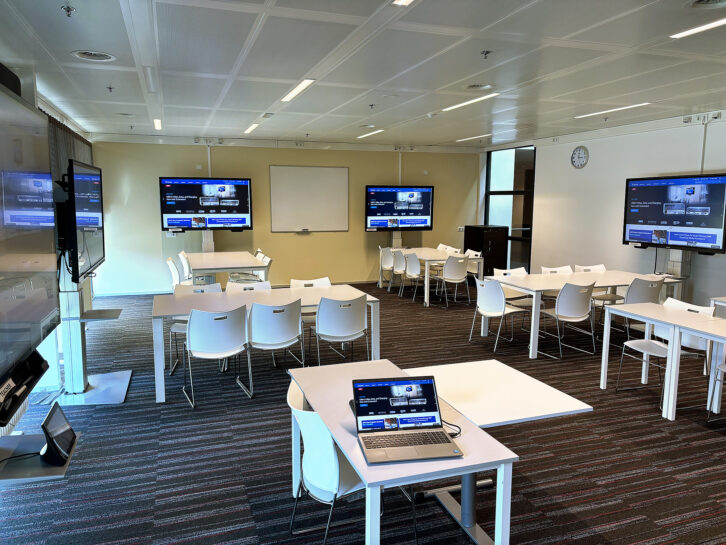
3. Top-up (Final Year) Studies
Top-up programmes at universities of applied sciences last 1 year (60 ECTS credits) and are designed for students who have already completed part of their higher education in their home country (for example, at a college or polytechnic). Upon completion, you receive a full Dutch Bachelor's degree. Admission is based on credit compatibility with your previous studies.
4. Master's Programmes
Master's programmes at research universities last 1–2 years and focus on advanced research and analytical thinking. At universities of applied sciences, Master's programmes typically last 1 year and are oriented towards professional development. During your Master's, you will work on projects that combine practical experience with academic knowledge — giving you a competitive edge in the job market.
The Grading System in the Netherlands
The Netherlands uses a 10-point grading scale, which may differ from what you are used to. In this system, 10 is the highest possible grade and 1 is the lowest. The minimum passing grade required to pass an exam is 6.
- 10 — Outstanding (extremely rare)
- 9 — Excellent (rarely given)
- 8 — Very good (considered an impressive achievement)
- 6–7 — Satisfactory (the most common grades)
- 1–5 — Unsatisfactory (fail)
It is important to know that grades of 9 and 10 are given very rarely and only for truly exceptional work. So if you receive a 7 or 8, you should be proud — it reflects a high level of knowledge by Dutch standards.
Study-Life Balance and Career Opportunities
The Netherlands is famous for its excellent study-life balance. While studies require independence and responsibility, universities actively encourage students to find time for sports, hobbies, and social activities. Student cities are full of organizations, clubs, and events that help you integrate into the local community and build lasting friendships.
Moreover, the Netherlands education system is closely connected to the job market. Thanks to mandatory internships and projects with real companies, graduates already have valuable work experience and a strong professional network. This gives you a significant advantage when looking for a job — whether in the Netherlands or internationally.
Frequently Asked Questions
What is the difference between Research Universities and Universities of Applied Sciences?
Research Universities (WO) focus on theoretical knowledge and academic work, preparing students for careers in science, research, and academia. Universities of Applied Sciences (HBO) focus on practical skills and specific professions, with a mandatory internship as part of the curriculum.
How long does a Bachelor's degree take in the Netherlands?
At research universities, a Bachelor's degree takes 3 years. At universities of applied sciences, it takes 4 years, although many programmes offer an accelerated 3-year track.
What are Top-up studies?
Top-up (or Final Year) studies last 1 year and are designed for students who have already completed part of their higher education (e.g., at a college or polytechnic). Upon completion, you receive a full Dutch Bachelor's degree. Admission depends on credit compatibility with your previous studies.
Is an internship mandatory during studies?
At universities of applied sciences (HBO), an internship is a mandatory part of the programme. Students typically complete two internships — in the third and fourth year. At research universities (WO), internships are not mandatory, but students conduct scientific research instead.
How does the Dutch grading system work?
The Netherlands uses a 10-point scale, where 10 is the highest and 1 is the lowest grade. The minimum passing grade is 6. Grades of 9 and 10 are given very rarely, so a 7 or 8 is considered an excellent result.
Is there a lot of group work in Dutch universities?
Yes, teamwork and Problem-Based Learning (PBL) are core elements of the Netherlands education system. You will frequently work in international groups, which builds collaboration skills and prepares you for a multicultural work environment.
What language are the programmes taught in?
The Netherlands offers one of the largest selections of English-taught programmes in non-English-speaking countries. The majority of Bachelor's and Master's programmes designed for international students are fully taught in English.
Are there tuition fees for EU students?
Yes, EU citizens pay a statutory tuition fee. For the 2026–2027 academic year, the fee is 2,694 EUR per year. For more details on tuition fees and financing options, visit the finances page.