The Netherlands at a Glance
The Netherlands is a small but densely populated country in Western Europe, bordering Belgium and Germany, with the North Sea along its northern and western coasts. The name literally means "low-lying land" – much of the territory sits below sea level, making the Dutch world leaders in water engineering and polder systems. Despite its compact size, the Netherlands has one of the strongest economies in Europe and globally.
Key facts:
- Population: ~17.9 million
- Capital: Amsterdam
- Most popular student cities: Groningen, Breda, Leeuwarden, Eindhoven, Enschede, The Hague and other university towns
- Currency: Euro (EUR)
- Government: Constitutional monarchy (King Willem-Alexander)
- EU member: Since 1957 (founding member)
- Climate: Temperate maritime – mild winters (2–6 °C), cool summers (17–22 °C)
- Safety: One of the safest countries in Europe with very low crime rates
Culture and People
Dutch culture is unique and may feel quite different from what you are used to at home. The Dutch are among the most open and direct people in Europe – they say what they think and value honesty over politeness. Hierarchy barely exists here: you address your lecturer by first name, and a student's opinion carries the same weight as a professor's.
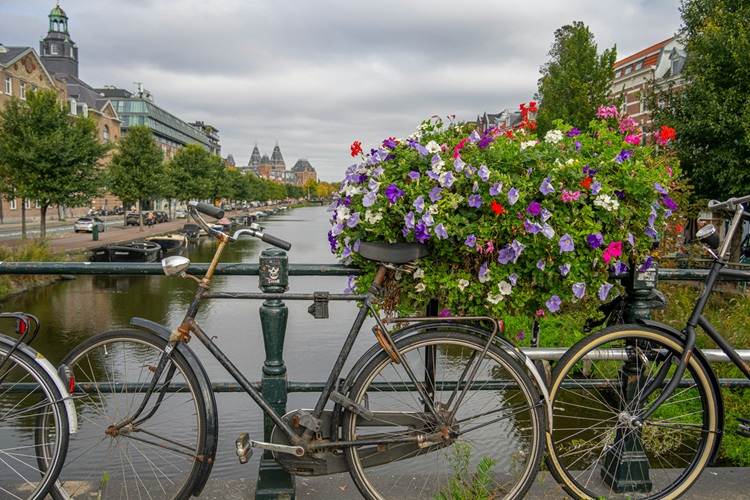
"Gezelligheid" – the Dutch concept of cosiness. Similar to the Danish "hygge", the Dutch have their own "gezelligheid" (pronounced "kheh-ZEL-ikh-hide") – a feeling of warmth, togetherness and comfort. It could be an evening with friends at a canal-side café, a bike ride through the city or simply a quiet moment with coffee. It is a way of life you will quickly embrace while living in the Netherlands.
Key cultural traits:
- Direct communication: The Dutch say what they mean – openly and without sugarcoating. This is not rudeness; it is simply their communication style, which may surprise you at first.
- Tolerance and diversity: People of over 190 nationalities live in the Netherlands. The country has long been known for its tolerance and openness to the world.
- Equality: The Dutch highly value equality – both social and gender-based. Showing off wealth is considered poor taste.
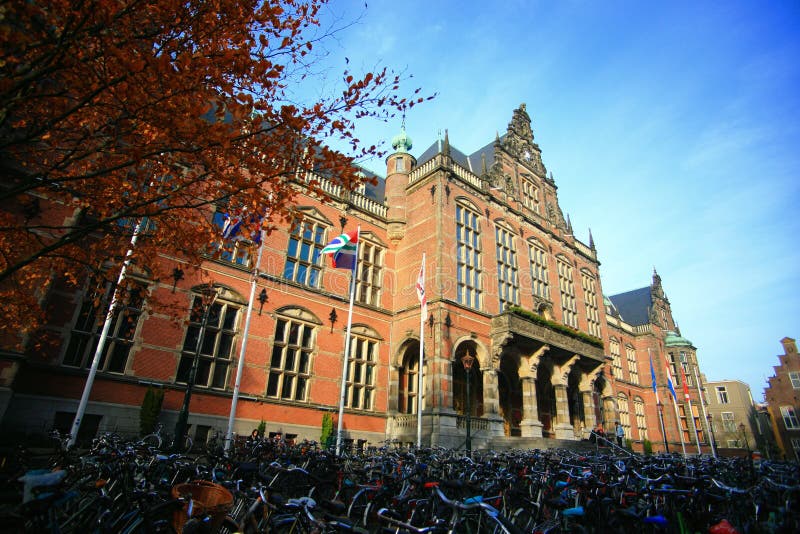
- Cycling culture: There are more bicycles than people in the Netherlands (~23 million bikes). Cycling is not just transport – it is a way of life.
Language and Communication
The official language is Dutch, but this should not worry you: the Netherlands is one of the best English-speaking non-native countries in the world. Over 90% of the population speaks excellent English, and at universities, shops, cafés and in public transport, English is a completely normal part of everyday life.
All study programmes offered through Kastu International in the Netherlands are taught entirely in English, so knowledge of Dutch is not required. However, if you wish to integrate more deeply into society, many universities offer Dutch language courses – a great opportunity to experience the culture up close and make daily communication even easier.
Transport and Getting Around
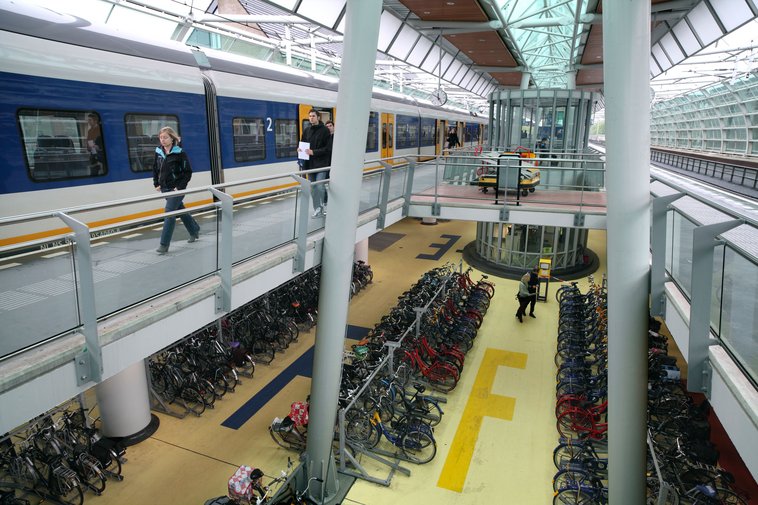
The bicycle is the symbol of the Netherlands and the primary mode of transport. The country has over 35,000 km of cycling paths, and every major city offers excellent cycling infrastructure. It is the cheapest, fastest and most eco-friendly way to get around – and by far the most popular choice among students.
Public transport:
- Trains (NS): Excellent connections between all Dutch cities – trains run frequently and punctually. From any city, you can reach any other city in the Netherlands within 1–2 hours.
- Buses and trams: Operate in all cities, including night services in larger urban areas.
- OV-chipkaart: A universal travel card accepted on all public transport across the entire country.
- Free transport for students: Working students receiving DUO support get a free public transport card (for weekends or weekdays – your choice).
The Netherlands is a compact country – from any city you can easily reach other regions. It is also an excellent base for exploring Europe: Brussels, Paris and Berlin are just a few hours away by train.
Student Life in the Netherlands
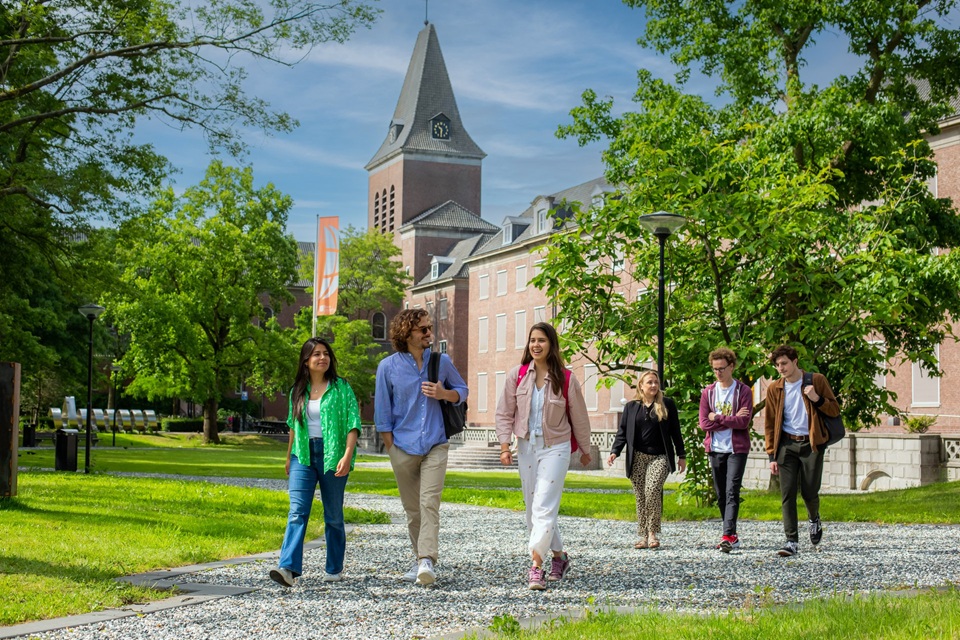
Studying in the Netherlands is not just about attending lectures – it is also about an active social life. Dutch universities have a strong student community culture that helps you adapt quickly and make friends from all over the world.
What do students do in the Netherlands?
- Student associations: Every university has dozens of student organisations – from sports clubs to debate groups, from cultural societies to business clubs. This is one of the best ways to make friends.
- International environment: Over 122,000 international students from around the world study at Dutch universities – making it one of the most international study environments in Europe.
- Festivals and events: The Netherlands hosts countless music festivals, cultural events and student celebrations. King's Day (Koningsdag), Carnival and many local events – you will never be bored.
- Nature and leisure: Beaches, canals, parks, cycling trips – the Netherlands offers plenty of opportunities for an active lifestyle.
Working While Studying
EU citizens can work in the Netherlands without any restrictions – both during the academic year and holidays. Many students work part-time, which not only supplements their budget but also builds valuable professional experience in an international job market.
What you need to know:
- Average wage: ~14 EUR/hour
- DUO support: Working students (min. ~8 hours/week) can receive Dutch government study support (DUO) – grants, preferential loans and free public transport. The total support value can reach ~1,200 EUR/month.
- The gift rule: If you complete your degree within 10 years, the grants and transport card become a GIFT – you never have to pay them back!
- Popular student jobs: Hospitality, logistics, IT, administration, tutoring
The amounts listed are approximate. Exact figures can be found in the finances section.
Food and Cuisine
Dutch cuisine is simpler than French or Italian, but it has its own unique flavours and traditions. The Dutch enjoy hearty, practical dishes, and in recent decades the country's food scene has undergone a true revolution – in larger cities you will find excellent international restaurants, food markets and cafés.
What to try:
- Stroopwafels: Two thin waffles with caramel syrup in between – the most popular Dutch treat, found in every café and market.
- Dutch cheese: Gouda, Edam, Maasdam – the Netherlands is one of the world's largest cheese producers. Cheese markets are a true experience!
- Haring (herring): A traditional Dutch snack – fresh herring with onions. Be brave and give it a try!
- Bitterballen: Deep-fried meat croquettes – the most popular bar snack in the Netherlands.
- Café culture: In larger cities you will find countless cosy canal-side cafés where you can study, work or simply enjoy "gezelligheid".

Frequently Asked Questions
Is the Netherlands safe?
Yes. The Netherlands is one of the safest countries in Europe. Crime rates are low and public order is excellent. Many students feel safe walking around even at night. The police are friendly and easily accessible.
Do I need to speak Dutch?
No. All study programmes offered through Kastu International are taught entirely in English, and over 90% of Dutch people speak excellent English. In everyday life – shops, cafés, public transport – English is completely normal. However, if you want to integrate more deeply, universities offer Dutch language courses.
What is the climate like?
The Netherlands has a temperate maritime climate. Winters are mild (averaging 2–6 °C) and summers are cool and pleasant (17–22 °C). Rain can occur at any time of year, so a raincoat and waterproof jacket are absolute must-haves. Wind is a constant companion – especially along the coast and while cycling.
Can I work while studying?
Yes. EU citizens can work in the Netherlands without any restrictions. The average student wage is ~14 EUR/hour. Working students (min. ~8 hours/week) can receive DUO support – grants, preferential loans and free public transport. The total support value can reach ~1,200 EUR/month. Exact figures can be found in the finances section.
How do I get around?
The main mode of transport is the bicycle. The Netherlands has over 35,000 km of cycling paths with excellent infrastructure in all cities. Public transport also works brilliantly – trains (NS), buses and trams. The OV-chipkaart allows you to pay on all public transport. Working students with DUO support receive a free public transport card.
Is the Netherlands expensive?
The Netherlands is one of the more expensive countries in Europe, but this is offset by generous government support for students. Average student living costs are ~900–1,400 EUR/month (accommodation, food, transport, leisure). By working part-time and receiving DUO support, life in the Netherlands becomes entirely manageable. Exact figures and a detailed budget plan can be found in the finances section.
What is "gezelligheid"?
"Gezelligheid" (pronounced "kheh-ZEL-ikh-hide") is a Dutch concept meaning cosiness, warmth and togetherness. It could be an evening with friends at a canal-side café, a bike ride through the city or simply a quiet moment with coffee. "Gezelligheid" is an inseparable part of Dutch life and one of the reasons the Netherlands consistently ranks among the happiest countries in the world.
How do I find accommodation?
Finding accommodation in the Netherlands can be challenging, especially in larger cities. It is recommended to start searching as early as possible – at least 2–3 months before your studies begin. The most popular options are: university housing, private rental platforms (Kamernet, Room.nl, HousingAnywhere) and student housing organisations. The Kastu International team helps you navigate the accommodation search process.
Is it easy to adapt?
Yes. The Netherlands is very welcoming to international students – it is one of the most international study environments in Europe. Universities organise orientation weeks, buddy programmes and various integration events. The Dutch may initially seem direct and reserved, but through student associations and events you will quickly make friends. The international student community is very active and open.
What are the career prospects after graduation?
The Netherlands offers excellent career prospects – particularly in IT, engineering, business, logistics and creative industries. After graduation, EU citizens can stay and work in the Netherlands without any restrictions. The Dutch job market values international experience, and many companies operate in English. Companies like Philips, ASML, Shell, Unilever and Booking.com actively seek young talent.