What Makes the Learning Style in Sweden Unique?
Studying in Sweden stands out for its unique learning culture, known as "The Swedish Way." This means an informal, egalitarian, and open academic environment where the student is an active participant in the learning process, not a passive listener. Professors in Sweden are addressed by their first names — hierarchy practically does not exist.
Key features of the learning culture:
- Informal atmosphere: You address professors by their first name, and communication is relaxed and friendly. This encourages open discussion and creative thinking.
- Critical thinking: Students are encouraged to question, discuss, and challenge — even the professor's opinion. This develops independent thinking.
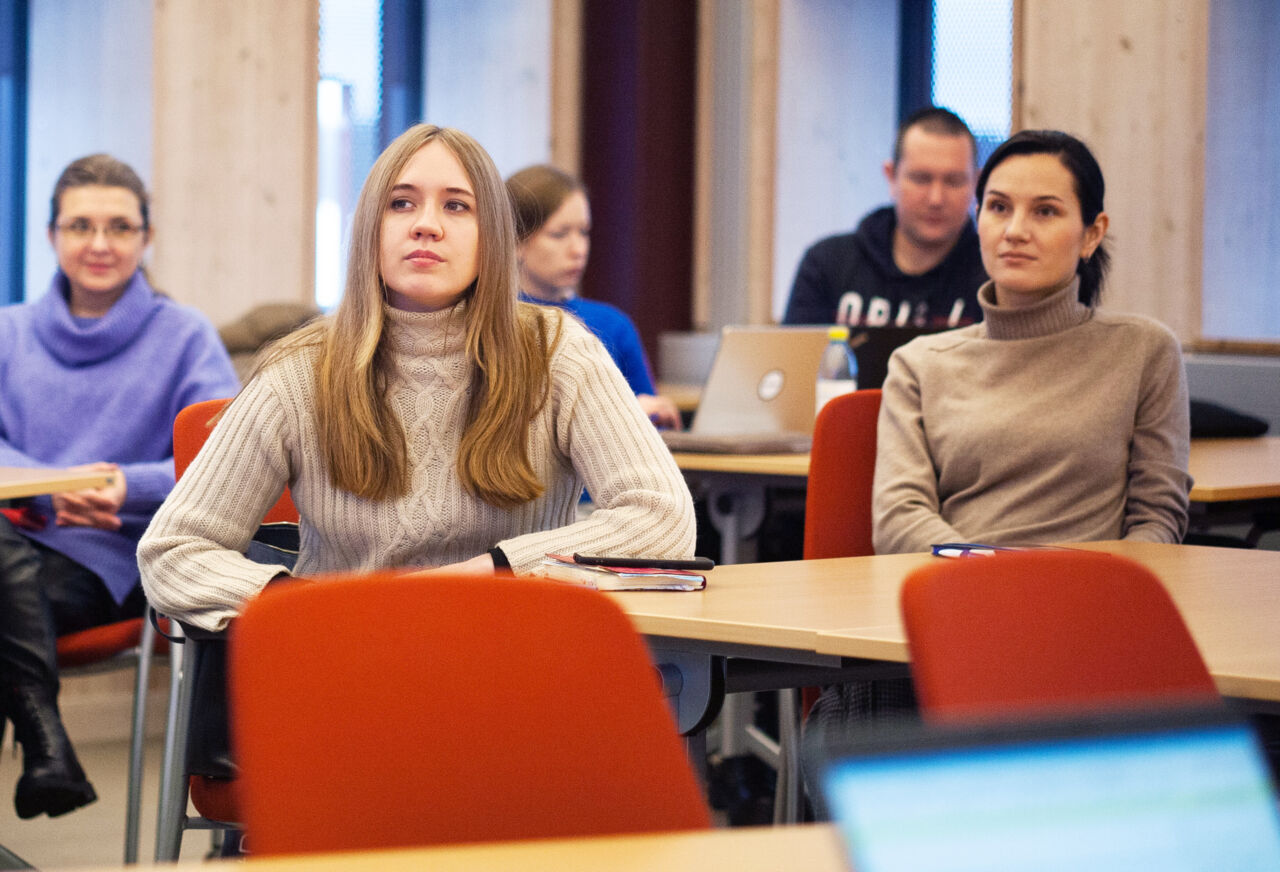
- Group work: A large portion of projects and assignments is completed in teams. This reflects the real work environment and develops collaboration skills.
- Independent learning: Students plan their own time. There may be only a few lectures per week, but independent work takes up the majority of study time.
- Sequential course model: Unlike many countries, in Sweden you often study one course at a time rather than several in parallel.
Types of Higher Education Institutions
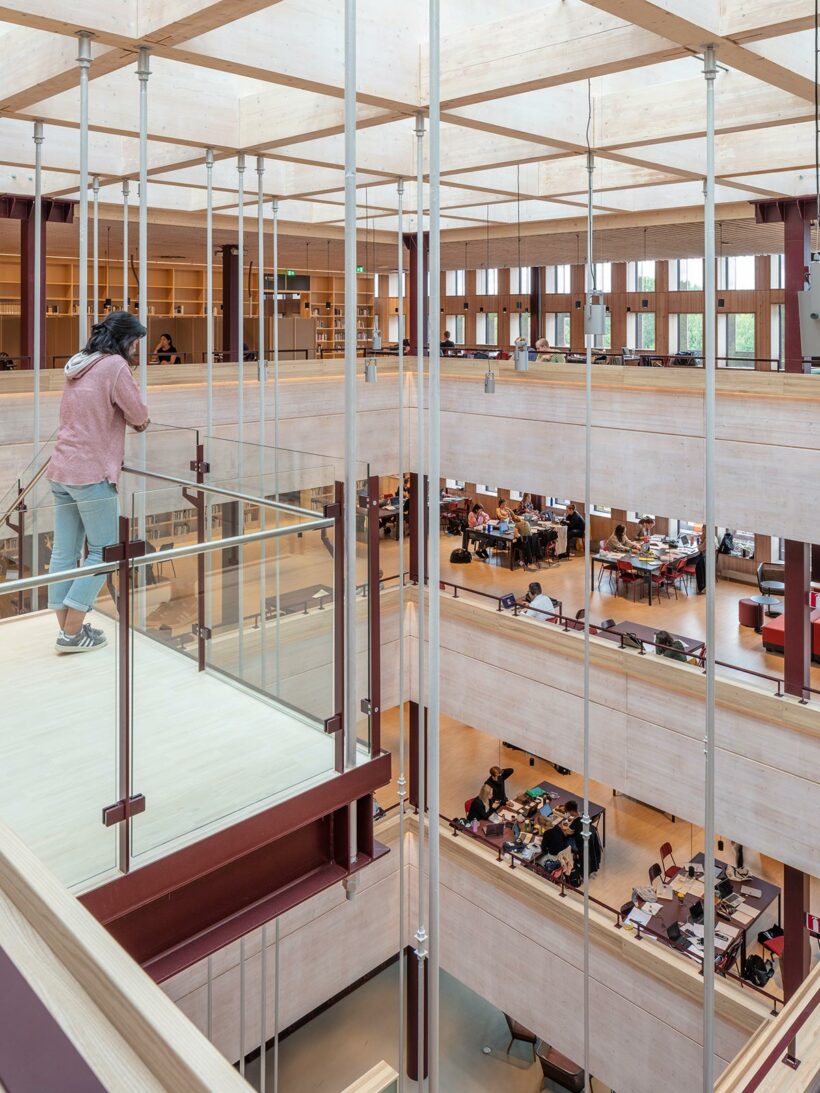
The Sweden education system encompasses a network of universities and university colleges. All institutions are public and overseen by the Swedish Higher Education Authority (UKÄ), ensuring that the quality of education is guaranteed regardless of institution type.



Study Degrees and Structure
The study system in Sweden is clear and flexible — students can choose the most suitable learning path based on their goals and ambitions. Studies in Sweden are divided into Bachelor's and Master's levels, each with its own specifics and opportunities.
1. Bachelor's Degree (Kandidatexamen)
This is a 3-year programme (180 ECTS) at universities or university colleges. Studying in Sweden is characterised by a high degree of independence — students plan their own learning time, participate in discussions, and work on group projects. The first year covers core programme modules, the second year focuses on specialisation, and the third year includes elective courses and the Bachelor's thesis.
What comes next? You can start working immediately or continue with a Master's programme.
2. One-Year Master's (Magisterexamen)
This is a 1-year programme (60 ECTS) designed for those who want to deepen their knowledge in the same field as their Bachelor's degree. This programme is ideal for those who, for professional or personal reasons, want to obtain a Master's degree faster and start their career.
3. Two-Year Master's (Masterexamen)
This is a 2-year programme (120 ECTS) focused on deeper specialisation and research. The first year is dedicated to core modules, while the second covers elective courses, internships, and writing the Master's thesis. Many programmes include collaboration with Swedish and international companies.
Master's studies in Sweden are an excellent opportunity to combine theory with practice — many programmes have partnership agreements with industry leaders such as Volvo, Ericsson, and Spotify.
The Grading System in Sweden
Swedish higher education institutions do not have a single universal grading system — each university can choose its own grading scale. However, the most commonly used systems are:
- A–F scale: A (excellent), B (very good), C (good), D (satisfactory), E (minimum pass), F (fail). This system is the most widespread and aligned with ECTS.
- VG / G / U system: VG (Väl godkänd — pass with distinction), G (Godkänd — pass), U (Underkänd — fail). Used in some programmes.
- Pass / Fail: For certain assessments, a simple two-grade system is applied.
Good to know: In Sweden, assessment often includes not only exams but also seminars, group projects, presentations, and written assignments. If you fail an exam — you can retake it without any restrictions.

Study-Life Balance and Career Opportunities
Swedish higher education culture promotes a healthy balance between studies and personal life. Although a full study load formally corresponds to 40 hours per week, a large portion of this time is independent work that you plan yourself. This gives you the freedom to combine studies with work, leisure, and social life.
EU citizens can work in Sweden without any restrictions — both during the academic year and holiday periods. Many students work part-time, which not only supplements their budget but also builds professional experience. Working students can receive CSN financial support — up to 1,258 EUR per month (grant + loan).
Swedish universities work closely with the business sector — this means that the knowledge and contacts gained during your studies directly help you find employment after graduation. Companies like Volvo, Ericsson, Spotify, IKEA, and H&M actively seek young talent among university graduates.
Frequently Asked Questions
What degrees can I earn in Sweden?
In Sweden, you can study at the Bachelor's level (3 years, 180 ECTS), one-year Master's (60 ECTS), and two-year Master's (120 ECTS). Kastu offers Bachelor's and Master's programmes taught in English.
Is studying in Sweden really free?
Yes. For EU and EEA citizens, studying at Swedish universities is completely tuition-free — there is no tuition fee. You only need to pay the application fee through Kastu and cover your living expenses. Learn more in the finances section.
What is the difference between universities and university colleges?
Universities (Universitet) are focused on scientific research and offer programmes at all study levels. University colleges (Högskolor) are more focused on practical learning and closer ties with the labour market. Both types are public, overseen by UKÄ, and award internationally recognised degrees. The quality of education is equally high at both types of institutions.
What is the difference between a one-year and two-year Master's?
The one-year Master's (Magisterexamen, 60 ECTS) is designed to deepen knowledge in the same field as your Bachelor's. The two-year Master's (Masterexamen, 120 ECTS) is more in-depth, includes research and a Master's thesis. The two-year programme offers more opportunities for specialisation and is more highly valued on the international job market.
Can I work while studying?
Yes. EU citizens can work in Sweden without any restrictions — both during the academic year and holiday periods. The average student wage is 120–150 SEK (~11–14 EUR) per hour. Working students (min. 10 hours/week) can receive CSN financial support — a grant and loan of up to 1,258 EUR per month. Learn more about work opportunities in the finances section.
How does the grading system work in Sweden?
Sweden does not have a single universal grading system. The most common is the A–F scale (A=excellent, E=minimum pass, F=fail) or the VG/G/U system (pass with distinction / pass / fail). For some assessments, a simple "Pass / Fail" system is used. Assessment includes exams, group projects, presentations, and written assignments. If you fail an exam — you can retake it.
Is it easy to adapt to the Swedish learning culture?
Swedish learning culture is informal and open — professors communicate with students as colleagues, encourage discussion and independent thinking. "The Swedish Way" means equality, openness, and respect for different opinions. It may feel unusual at first, but most international students adapt quickly and appreciate this approach. Universities organise orientation weeks to help you settle in.
Is there a lot of group work at Swedish universities?
Yes, group work is an integral part of studying in Sweden. Many projects and assignments are completed in teams because it reflects the real work environment and develops collaboration, communication, and leadership skills. Teams are often international — a great opportunity to experience different cultures and working styles.
What language are the programmes taught in?
All study programmes offered by Kastu in Sweden are taught in English. You do not need to know Swedish — both your studies and daily communication at the university take place in English. In Sweden, almost everyone speaks excellent English, so you will not encounter a language barrier in everyday life either. However, if you want to integrate better, many universities offer free Swedish language courses.
Are studies career-oriented?
Yes. Swedish universities work closely with the business sector — with companies like Volvo, Ericsson, Spotify, IKEA, and H&M. Study programmes are designed with labour market needs in mind, and many programmes include internships and projects with real companies. This means that after graduation, you will have not only theoretical knowledge but also practical experience and a professional network.