What Makes the Learning Style in Belgium Unique?
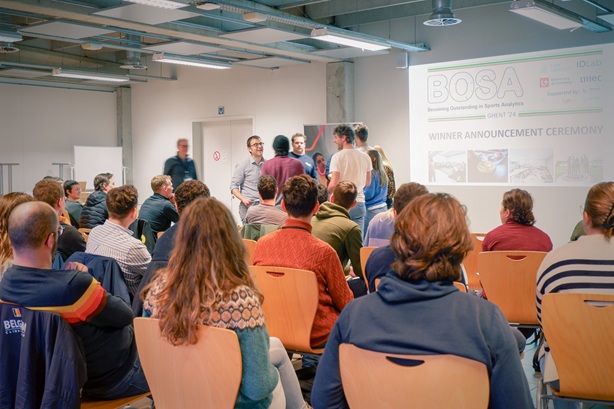
The education system in Belgium stands out for its practical approach to learning and its emphasis on student independence. Studying in Belgium is not just about lectures and exams – there is a strong focus on project-based work, group assignments, and real-world application of knowledge. Professors encourage students to actively participate in discussions, think critically, and find creative solutions.
Key features of the academic culture:
- Practical orientation: Study programmes are closely linked to the job market. Through mandatory internships, students work in real companies and organisations, gaining valuable professional experience.
- Project-based learning: A significant portion of assignments is completed through group projects, often in collaboration with real businesses or organisations.
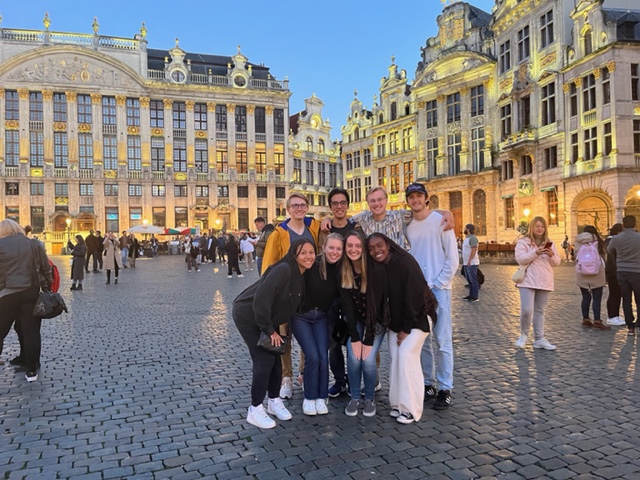
- International environment: Students from all over the world study in Belgium, and the country has three official languages (Dutch, French, and German). This creates a uniquely multicultural learning atmosphere.
- Student independence: Belgian universities encourage students to plan their own learning process, choose elective courses, and actively participate in academic life.
Types of Higher Education Institutions
The Belgian (Flemish) higher education system is a binary system – it consists of universities and universities of applied sciences. Understanding the differences between these institutions will help you choose the study path that best matches your goals.



Study Degrees and Structure
The Belgium education system follows the principles of the European Higher Education Area (Bologna Process) and uses the ECTS credit system. Depending on the type of institution and field of study you choose, you can select from several levels of education.
1. Professional Bachelor's Degree
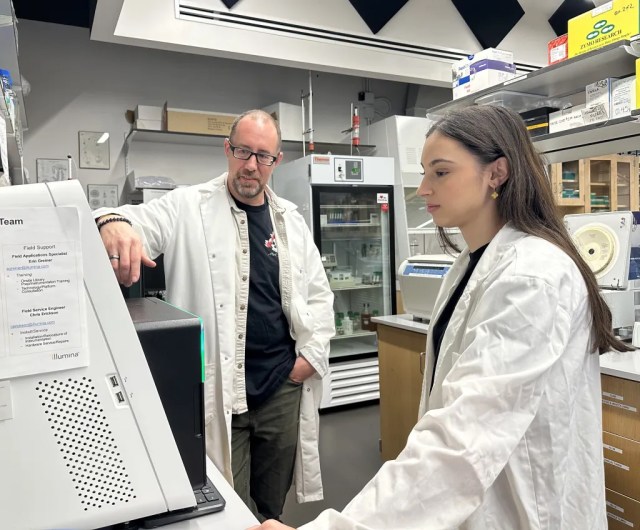
Professional bachelor's programmes last 3 years (180 ECTS credits) and are offered by universities of applied sciences. These programmes prepare future professionals for work in a specific field, using practical teaching methods – projects, seminars, and mandatory internships in companies. Depending on the university and programme, internships can take place in the first, second, or third year of study.
What comes after? You can start working immediately or continue your studies at master's level. To enrol in a master's programme at a university, you will need to complete a one-year Bridge programme.
2. Academic Bachelor's Degree
Academic bachelor's programmes last 3 years (180 ECTS credits) and are offered by universities. These programmes place a strong emphasis on theoretical knowledge and scientific thinking. Students not only attend lectures but also conduct research, participate in seminars, and work on group projects. After completing an academic bachelor's, you can directly continue to a master's programme without any additional requirements.
3. Bridge Programme
The Bridge programme lasts 1 year and is designed for graduates of professional bachelor's programmes who wish to continue their studies at master's level at a university. During this programme, students are prepared for academic master's studies – deepening their theoretical knowledge and developing research skills.
4. Master's Degree
Master's programmes at Belgian universities last 1–2 years (60–120 ECTS credits) and focus on advanced scientific or artistic knowledge and research competences. The majority of English-taught programmes in Belgium are at master's level. During your studies, you will conduct research, and at the end you will write and defend a master's thesis.
5. Advanced Bachelor
Advanced bachelor's programmes last 1 year (60 ECTS credits) and are designed for those who already hold a bachelor's or master's degree and want to gain an additional specialisation in the same or a different field. It is a great opportunity to broaden your competences and obtain a second bachelor's diploma in a short time.
6. Postgraduate Certificate
This is a specialised programme (minimum 20 ECTS credits) aimed at deepening competences in a specific area. To enrol, you need a bachelor's or master's degree. Upon completion, you receive a postgraduate certificate – an excellent way to complement your qualifications in a specific professional field.
The Grading System in Belgium
In Belgium, the most commonly used grading scale is 0 to 20. While each university may have slightly different assessment criteria, the general system works as follows:
- 17.5–20 – Outstanding (awarded extremely rarely)
- 15.5–17.5 – Very good
- 13.5–15.5 – Good
- 12–13.5 – Satisfactory
- 10–12 – Satisfactory (passing threshold)
- Below 10 – Fail
It is important to know that grades above 17 are awarded extremely rarely and only for exceptional achievements. So if you receive a 14 or 15, you can be proud of your results – that represents a very high level by Belgian standards.
Study-Life Balance and Career Opportunities
Belgium is known for its excellent balance between academic life and personal time. The academic calendar is clearly structured – the academic year starts in September, studies are divided into two semesters with exam sessions in January and June. If you do not pass an exam, there is an opportunity to retake it during the August–September session.
Students have plenty of time not only for studies but also for leisure, sports, and social life. Belgium's location in the heart of Europe makes it easy to travel – Amsterdam, Paris, and London are just a few hours away. Moreover, the education system in Belgium is closely connected to the job market – thanks to mandatory internships and projects with real companies, graduates already have valuable professional experience and a broad network of contacts.
Frequently Asked Questions
What is the difference between universities and universities of applied sciences?
Universities focus on academic research and theory – they offer academic bachelor's, master's, and PhD programmes. Universities of applied sciences (UAS) focus on practical skills and specific professions – they offer professional bachelor's programmes with mandatory internships in companies. Both types of institutions award internationally recognised degrees.
How long do bachelor's programmes last in Belgium?
Both professional and academic bachelor's programmes in Belgium last 3 years (180 ECTS credits). Professional bachelor's programmes are offered at universities of applied sciences and include mandatory internships. Academic bachelor's programmes are offered at universities and are more focused on theory and scientific research.
What is the Bridge programme?
The Bridge programme lasts 1 year and is designed for graduates of professional bachelor's programmes who wish to continue their studies at master's level at a university. During this programme, students deepen their theoretical knowledge and develop research skills to prepare for academic master's studies.
Are internships mandatory during studies?
In professional bachelor's programmes at universities of applied sciences, internships are a mandatory part of the curriculum. Depending on the university and programme, internships can take place in the first, second, or third year. In academic bachelor's programmes at universities, internships are not mandatory, but students conduct research and work on group projects.
How does the Belgian grading system work?
Belgium uses a 20-point grading scale, where 20 is the highest and 0 is the lowest grade. The minimum passing grade is 10. Grades above 17 are awarded very rarely, so 14 or 15 is considered a very good result. If you do not pass an exam, you have the opportunity to retake it during the August–September session.
What is an Advanced Bachelor?
Advanced bachelor's programmes last 1 year (60 ECTS) and are designed for those who already hold a bachelor's or master's degree and want to gain an additional specialisation. It is a great opportunity to broaden your competences and obtain a second bachelor's diploma in a short time – even in a completely different field.
How much does it cost to study in Belgium?
Tuition fees for EU citizens in Belgium are among the lowest in Europe. For the 2026–2027 academic year, the fee at Flemish higher education institutions is 1,181 EUR per year. For more information about study costs and funding options, visit our finances section.
Is there a lot of group work at Belgian universities?
Yes, group work and project-based learning are key elements of the Belgium education system. Many projects and assignments are completed in teams, often in collaboration with real companies. This develops collaboration, communication, and leadership skills that are highly valued in the job market.
What language are the programmes taught in?
All study programmes offered through Kastu in Belgium are taught in English. While the majority of local programmes are taught in Dutch, programmes designed for international students – especially at master's level – are conducted in English. Knowledge of Dutch is not required, though many universities offer free language courses.
Are studies in Belgium career-oriented?
Yes. Higher education in Belgium is closely connected to the job market. Study programmes are developed in collaboration with the business sector, and during internships students work in real companies. Belgium is home to many international organisations (EU institutions, NATO) and multinational corporations, making career opportunities here exceptionally broad.