Denmark at a Glance
Denmark is one of three Scandinavian countries, located in Northern Europe. The country consists of the Jutland Peninsula and more than 440 islands (about 70 of which are inhabited). Denmark is a compact country with excellent infrastructure, where all major cities are easily reachable by train or car.
Key facts:
- Population: ~5.8 million
- Capital: Copenhagen (København)
- Most popular student cities: Aarhus, Odense, Horsens, Aalborg, Esbjerg, Sønderborg and other university towns
- Currency: Danish Krone (DKK), 1 EUR ≈ 7.46 DKK
- Government: Constitutional monarchy (King Frederik X)
- EU member: Since 1973
- Climate: Temperate maritime – mild winters (0–5 °C), cool summers (17–22 °C)
- Safety: One of the safest countries in the world, with very low crime rates
Culture and People
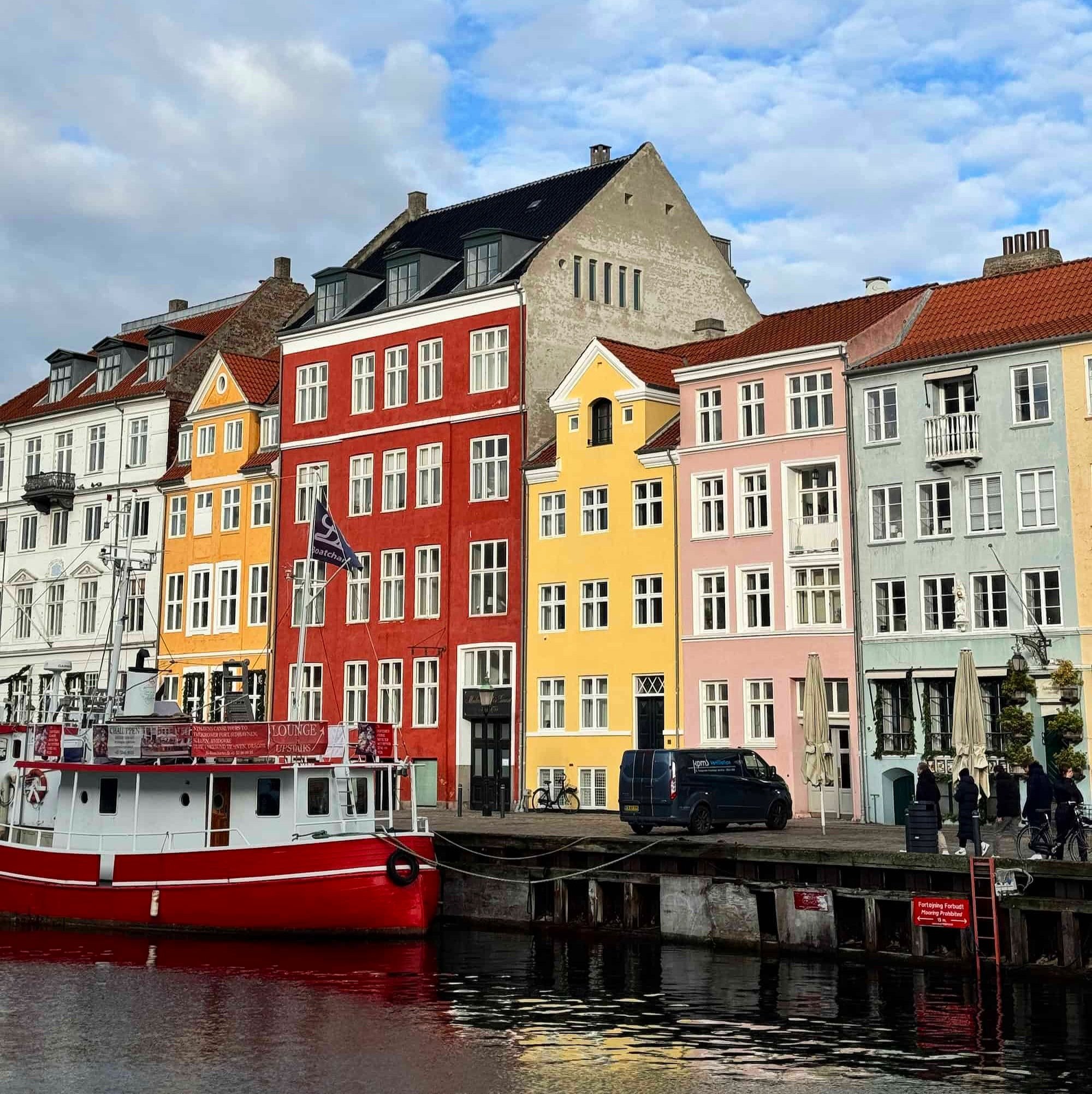
Danish culture is unique and may feel quite different from what you are used to at home. Danes are open, direct and value equality – both at work and in everyday life. Hierarchy barely exists here: you address your boss or professor by their first name, and freedom of opinion is a natural part of daily life.
"Hygge" – the Danish art of cosiness. This concept encompasses warmth, togetherness and enjoying the moment. Danes love gathering by candlelight, drinking coffee and simply being present. It is not just a word – it is a way of life that you quickly adopt when living in Denmark.
Key cultural traits:
- Direct communication: Danes say what they think – openly and without beating around the bush. It is not rudeness, just their communication style.
- Equality: Gender and social equality are highly valued in Denmark. Showing off wealth is considered bad taste.
- Trust: Denmark has one of the highest levels of social trust in the world – people trust each other and their institutions.
- Sustainability: Environmental awareness is part of everyday life – from waste sorting to cycling culture.
Language and Communication
The official language is Danish – one of the most phonetically challenging European languages. However, this should not worry you: more than 80% of Danes speak excellent English, and at universities, shops, cafes and on public transport, English is a completely normal part of daily life.
All study programmes offered through Kastu International in Denmark are taught entirely in English, so knowing Danish is not required. However, if you want to integrate more deeply into society, many universities offer free Danish language courses – a great opportunity to experience the culture up close and make everyday communication easier.
Transport and Getting Around
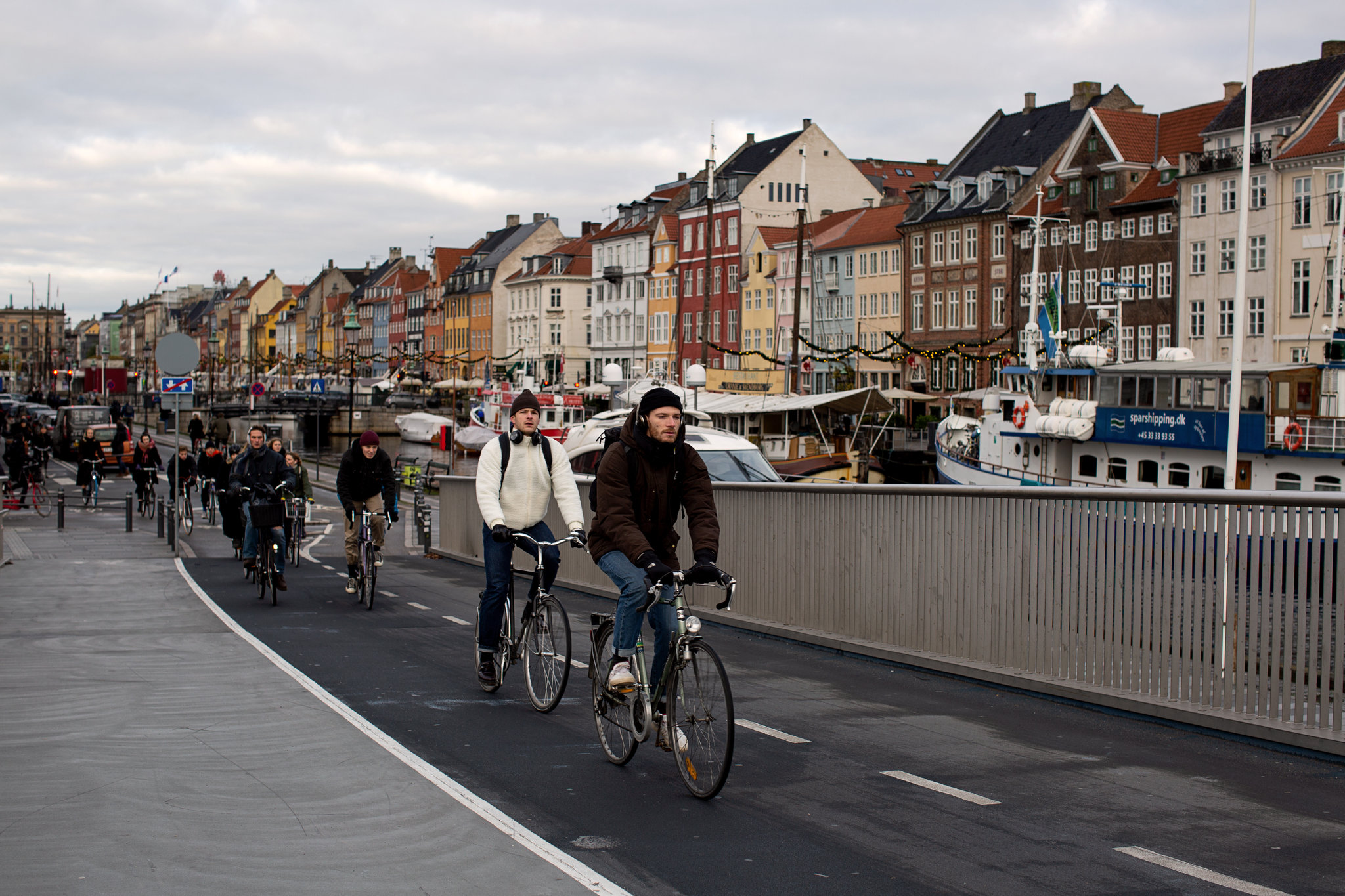
The bicycle is Denmark's symbol and the main mode of transport. All major Danish cities have an excellent network of cycling paths, and 4 out of 5 Danes own a bike. It is the cheapest, fastest and most eco-friendly way to get around the city – and by far the most popular choice among students.
Public transport:
- Metro: Copenhagen has a modern metro system (the only city in Denmark with a metro).
- Buses: Run in all cities, including night services in larger towns.
- Rejsekort: A universal travel card that works on all public transport across Denmark.
- Trains (DSB): Connect all Danish cities efficiently – a convenient way to travel between cities and for weekend trips.
Denmark is a compact country – from any city you can easily reach other regions, and it is also a great starting point for travelling across Europe.
Student Life in Denmark
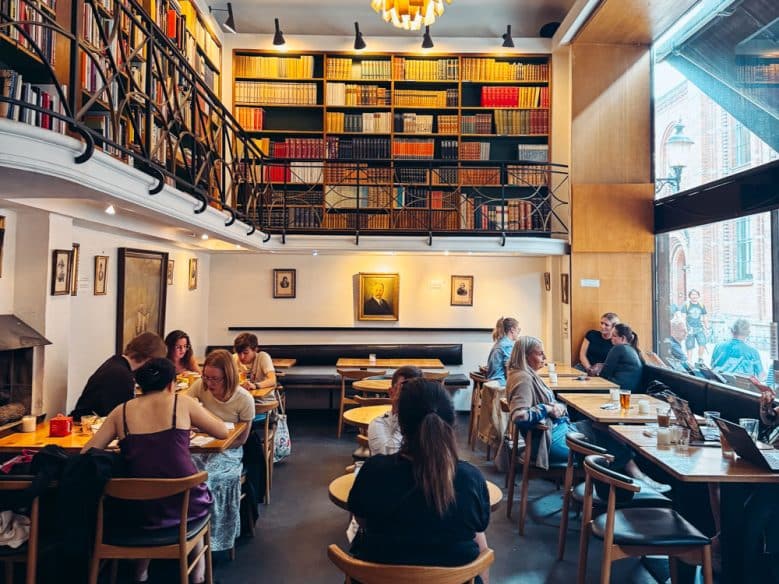
Studying in Denmark is not just about attending lectures – it is an active social experience. Danish universities have a strong student community culture that helps you adapt quickly and make friends from all over the world.
What do students do in Denmark?
- "Friday bars": Every university has its own Friday bar – weekly social events where students meet, socialise and unwind after the study week.
- Student organisations: From sports clubs to debate groups – everyone can find an activity that matches their interests.
- International environment: Thousands of international students study at Danish universities – a great opportunity to experience different cultures.
- Nature and leisure: Beaches, parks, cycling trips – Denmark offers plenty of options for an active lifestyle.
Working While Studying
EU citizens can work in Denmark without any restrictions – both during the academic year and holiday periods. Many students work part-time, which not only supplements their budget but also builds valuable professional experience in the Scandinavian job market.
What you should know:
- Average student wage: ~21 EUR/hour
- SU grant: Students who work at least 10–12 hours per week can receive the Danish state education support (SU) – approximately 1,000 EUR/month before tax. This is a non-repayable grant (a gift).
- Popular student jobs: Hospitality, logistics, IT, administration, tutoring
The amounts listed are approximate. Exact figures can be found in the finances section.

Food and Cuisine
Danish cuisine is the heartland of "New Nordic" gastronomy. Over the past decades, Danish food has undergone a true revolution – from traditional smørrebrød (open sandwiches) to modern Nordic fine dining. In all major Danish cities you will find excellent restaurants, food markets and cosy cafes.
What to try:
- Smørrebrød: Traditional open sandwiches on rye bread with various toppings – from herring to roast beef.
- Wienerbrød: Danish pastry, famous worldwide (yes, "Danish pastry" actually comes from Denmark).
- Hot dishes: Roast duck with caramelised potatoes, cod with mustard sauce.
- Coffee culture: Danes love coffee – in larger cities you will find countless cosy cafes where you can study, work or simply enjoy "hygge".

Frequently Asked Questions
Is Denmark safe to live in?
Yes. Denmark consistently ranks among the safest countries in the world. Crime rates are very low and public order is excellent. Many students feel safe walking around even at night. The police are friendly and easily accessible.
Do I need to speak Danish?
No. All study programmes offered through Kastu International are taught in English, and more than 80% of Danes speak excellent English. In everyday life – shops, cafes, public transport – English is completely normal. However, if you want to integrate more deeply, universities offer free Danish language courses.
What is the climate like in Denmark?
Denmark has a temperate maritime climate. Winters are mild (averaging 0–5 °C), summers are cool and pleasant (17–22 °C). Rain is possible at any time of year, so a raincoat and waterproof jacket are essential items. Snow in winter is rare, but short days (it gets dark around 15:30 in winter) can be a challenge at first.
Can I work while studying?
Yes. EU citizens can work in Denmark without any restrictions. The average student wage is approximately 21 EUR/hour. Students who work at least 10–12 hours per week can receive the SU grant – around 1,000 EUR/month before tax. This is a non-repayable grant (a gift). Exact figures can be found in the finances section.
How do I get around Denmark?
The main mode of transport is the bicycle. All major Danish cities have excellent cycling infrastructure. Public transport also works very well: buses, trains (DSB) and metro (in Copenhagen). It is worth getting a Rejsekort – a universal travel card that works on all public transport across the country.
Is Denmark expensive?
Denmark is one of the most expensive countries in Europe, but this is offset by high wages and SU support. Average student living costs are approximately 800–1,200 EUR/month (housing, food, transport, leisure). By working part-time and receiving SU support, living in Denmark becomes entirely manageable. Exact figures and a detailed budget plan can be found in the finances section.
What is "hygge"?
"Hygge" (pronounced "hoo-gah") is a Danish concept meaning cosiness, warmth and togetherness. It could be an evening with friends by candlelight, a cup of hot coffee on a rainy day, or simply quiet time with a book. "Hygge" is an inseparable part of Danish life and one of the reasons why Danes are considered one of the happiest nations in the world.
How do I find accommodation in Denmark?
Finding accommodation in Denmark can be challenging, especially in larger cities. It is recommended to start searching as early as possible – at least 2–3 months before your studies begin. The most popular options are: university dormitories, private rental platforms (BoligPortal, Findroommate) and student housing organisations. The Kastu International team helps you navigate the housing search process.
Is it easy to adapt in Denmark?
Yes. Denmark is very welcoming to international students. Universities organise orientation weeks, buddy programmes and various integration events. Danes may seem reserved at first, but through student organisations and "Friday bars" you will quickly make friends. The international student community is very active and open.
What are the career opportunities after graduation?
Denmark offers excellent career opportunities – especially in IT, engineering, business and design. After graduation, EU citizens can stay and work in Denmark without any restrictions. The Danish job market values international experience, and many companies operate in English. Companies such as Maersk, Novo Nordisk, LEGO and Vestas actively seek young talent.