Sweden at a Glance
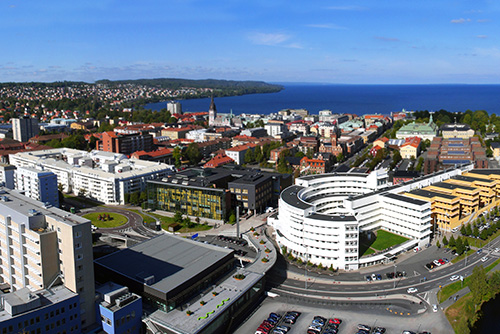
Sweden is a Scandinavian kingdom renowned for its innovation, social equality and breathtaking nature. It is the third-largest country in the European Union by area, where modern cities and wild landscapes coexist in perfect harmony. For students, Sweden offers one of the best education systems in the world and exceptionally favourable living conditions.
Key facts:
- Population: ~10.5 million
- Capital: Stockholm
- Most popular student cities: Jönköping, Halmstad, Kristianstad, Gävle, Borås, Skövde and other university towns
- Currency: Swedish krona (SEK), ~1 EUR ≈ 10.8 SEK
- Government: Constitutional monarchy (King Carl XVI Gustaf)
- EU member since: 1995
- Climate: Temperate/northern – cold winters (0 to -10 °C in the south), warm summers (15–25 °C)
- Safety: One of the safest countries in the world with a very low crime rate
Culture and People
Swedish culture is built on equality, openness and respect for every individual. Swedes value personal space and direct communication – they may seem reserved at first, but once you get to know them, they become sincere and loyal friends. Sweden is one of the most progressive countries in the world – everyone is valued regardless of background or status.
Key cultural traits:
- "Lagom": A Swedish life principle meaning "not too much, not too little" – balance in everything. It reflects the entire Swedish way of life.
- "Fika": The sacred coffee break with a pastry – it is not just food, but a social ritual that brings people together at work, university and in everyday life.
- Equality and openness: Sweden is one of the global leaders in gender equality. Every person's contribution is valued, regardless of their position.
- Love of nature: "Allemansrätten" (the right of public access) allows anyone to freely walk, camp and pick berries anywhere in nature – a unique Swedish value.
- Sustainability: Sweden is a world leader in sustainable development – recycling, renewable energy and an eco-friendly lifestyle are part of everyday life.
Language and Communication
The official language of Sweden is Swedish, belonging to the North Germanic language family. However, this should not worry you – Sweden is one of the best English-speaking countries in the world. Around 90% of Swedes speak excellent English, especially young people and the academic community.
All study programmes offered through Kastu in Sweden are taught entirely in English, so knowledge of Swedish is not required. In shops, cafés, public transport and at university – English is perfectly sufficient for daily life.
If you wish to integrate more deeply, universities offer free Swedish language courses (SFI – Svenska för invandrare). Knowing Swedish can increase your opportunities in the job market after graduation.
Transport and Getting Around
Sweden has an excellently developed public transport system. Cities are compact and convenient to navigate on foot or by bicycle, while intercity transport operates reliably and punctually.
How to get around in Sweden:
- Trains (SJ): Swedish railways connect all major cities. Trains are modern, fast and comfortable – a great way to travel across the country. With a student discount (Mecenat) you get 15% off.
- Buses: Intercity buses (FlixBus, Nettbuss) are a popular and affordable alternative to trains.
- City transport: Buses, trams, and in Stockholm – also the metro. A monthly student pass in Stockholm costs around 650 SEK (~60 EUR).
- Cycling: In summer, bicycles are extremely popular – many cities have bike-sharing systems and excellent cycling infrastructure.
- "Mecenat" card: The main Swedish student discount card – offering discounts on transport, food, culture and leisure activities.

Student Life in Sweden
Studying in Sweden is not just about academic growth – it is also about an active social life. Swedish universities have a strong student community culture that helps you adapt quickly and make friends from all over the world.
What do students do in Sweden?
- Student organisations: Every university has dozens of student organisations – from sports clubs to academic societies and international student networks (ESN, buddy programmes).
- Student unions and events: Unique student organisations offering affordable meals, social events and activities – the best way to save money and meet people!
- Sports and nature: Students are very active in sports – universities offer free sports activities. In nature, you can hike, ski and swim in lakes.
- International environment: Swedish universities host students from over 100 countries – a great opportunity to experience different cultures.
- Northern Lights and white nights: In winter you can see the Northern Lights, and in summer enjoy the white nights when the sun barely sets.
Working While Studying
EU citizens can work in Sweden without any restrictions – both during the semester and during holidays. Sweden offers students an exceptionally generous state support system (CSN), which allows you not only to earn money but also to receive additional financial support from the state.
What you need to know:
- Working hours: Students typically work 10–15 hours per week during the semester and more during holidays.
- Average salary: ~120–150 SEK (~11–14 EUR) per hour (depends on the field and collective agreement)
- CSN support: Working students (min. 10 hrs/week for at least 10 weeks) can receive a CSN grant (~4,120 SEK / ~381 EUR per month, non-repayable) + a student loan (up to 9,472 SEK / ~877 EUR per month).
- Housing allowance: Students under 29 can receive a housing allowance through Försäkringskassan (up to 1,300 SEK / ~120 EUR per month).
- Popular student jobs: IT, logistics, services, hospitality, administration, manufacturing
The amounts listed are approximate. For exact figures, please visit the finances section.

Food and Cuisine
Swedish cuisine reflects the country's nature and seasons – fresh, natural and seasonal ingredients dominate. Although traditional Swedish food is simple, it is healthy and filling. Students should know that Sweden does not have state-subsidised canteens like some other countries, so most students cook at home.
What to try:
- Gravad lax: Cured salmon with dill – one of the most famous Swedish dishes that you will find in every restaurant.
- Köttbullar: Swedish meatballs with cream sauce and lingonberry jam – just like IKEA, only even tastier!
- Kanelbullar: Cinnamon bun – the "fika" ritual is unimaginable without it. On 4 October, Sweden even celebrates Kanelbullar Day!
- Smörgåsbord: A traditional Swedish buffet with a variety of appetisers – herring, salmon, cheeses, meats and vegetables.
- Food costs: Students mostly cook at home. The most popular supermarkets are ICA, Coop, Willys and Lidl. A weekly food budget is around 400–600 SEK (~37–55 EUR).

Frequently Asked Questions
Are studies in Sweden really free?
Yes! For EU citizens, bachelor's and master's programmes at Swedish public universities are completely tuition-free. There is no tuition fee to pay. The only costs are student union membership (around 50–350 SEK per semester, depending on the university). For exact conditions, please visit the finances section.
Do I need to speak Swedish?
No. All study programmes offered through Kastu are taught in English, and Swedes speak excellent English – especially young people and the academic community. English is perfectly sufficient for daily life. If you wish to integrate more deeply, universities offer free Swedish language courses (SFI).
What is CSN and how can I get financial support?
CSN (Centrala studiestödsnämnden) is the Swedish national board of student finance. EU students can receive a grant (~4,120 SEK / ~381 EUR per month, non-repayable) and a student loan (up to 9,472 SEK / ~877 EUR per month). The main requirement is to work in Sweden for at least 10 hours per week for a minimum of 10 consecutive weeks. For exact conditions, please visit the finances section.
Can I work while studying?
Yes! EU citizens can work in Sweden without any restrictions. Students typically work 10–15 hours per week, and the average salary according to collective agreements is around 120–150 SEK (~11–14 EUR) per hour. By working and receiving CSN support, you can fully cover your living expenses.
How much does it cost to live in Sweden?
Average student living costs in Sweden are around ~10,656 SEK (~986 EUR) per month (housing, food, transport, leisure). Renting a room in student accommodation costs around 3,000–6,000 SEK (~278–555 EUR) per month. However, with CSN support and a part-time job, these costs can be fully covered. For exact figures, please visit the finances section.
What is a Personnummer and why is it important?
A Personnummer is a Swedish personal identity number that you receive after registering with Skatteverket (the Swedish Tax Agency). It is needed to open a bank account, receive CSN support, access the healthcare system and many other services. For EU citizens, the process can take several weeks or months – so it is important to start as early as possible.
How do I find accommodation in Sweden?
Most students in Sweden live in student residences or rented rooms. Accommodation is usually managed by student housing organisations that offer favourable prices and conditions. Universities and Kastu provide all the necessary information about finding accommodation and help you navigate the available options. Prices depend on the city and type of housing – on average around 3,000–6,000 SEK (~278–555 EUR) per month. It is recommended to start looking for accommodation as early as possible, as the most popular options fill up quickly.
What is the "Mecenat" card?
"Mecenat" is the Swedish student discount card, offering discounts across the country: on transport (SJ trains – 15% off), food, cultural events, sports services and much more. All registered students can get one – it is one of the first things worth arranging after arrival.
Is it easy to make friends and integrate?
Yes! Although Swedes may seem reserved at first, university student communities are very active and welcoming. International students are offered orientation weeks, tutor programmes and dozens of events. Student organisations, sports clubs and international networks (ESN) help you quickly make friends from all over the world.
What should I do after arriving in Sweden?
After arriving in Sweden, you need to complete a few important steps: 1) Get your Personnummer – register with Skatteverket (the Tax Agency); 2) Open a bank account (Sweden is nearly a cashless society); 3) Get your "Mecenat" student card for discounts; 4) Bring your European Health Insurance Card (EHIC). Your university will help with all administrative steps and provide the necessary information.