What Makes the Learning Style in Finland Unique?
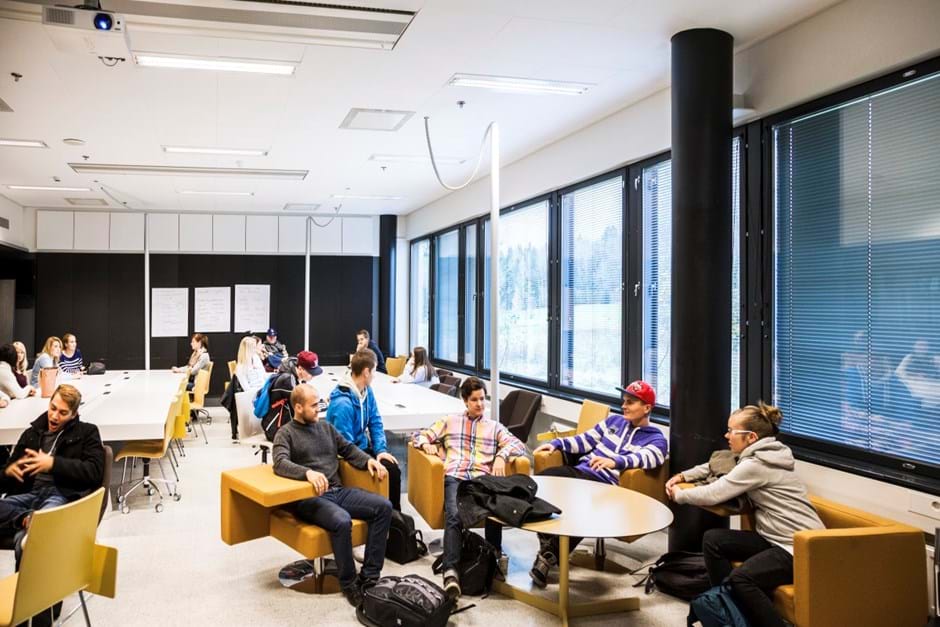
Studying in Finland offers a refreshingly different approach to education. Finnish higher education is built on the principle of equality – all students and institutions are treated as equals, with no rigid hierarchy between professors and students. Lecturers value openness, creativity and independent thinking over purely formal academic achievements.
Key features of Finnish academic culture:
- Equality and respect: Students are not ranked or labelled. Professors treat everyone equally, and competition is not the primary source of motivation.
- Academic freedom: Students plan their own learning process, choose elective combinations and decide how to deepen their knowledge in their area of interest.
- Practical orientation: At universities of applied sciences, studies are closely linked to the job market – students complete mandatory internships at real companies.
- Innovation and research: Finnish universities are known for groundbreaking research. This is where the Linux operating system, the heart rate monitor and even the game Angry Birds were born.
Types of Higher Education Institutions
The Finnish higher education system is binary – it consists of universities and universities of applied sciences (UAS). Each type has its own strengths and focus areas.



Study Degrees and Structure
The Finnish higher education system follows the principles of the European Higher Education Area (Bologna Process) and uses the ECTS credit system. Depending on the type of institution you choose, the duration and nature of your studies will differ.
1. Bachelor's Degree at Universities of Applied Sciences (UAS)
Bachelor's programmes at universities of applied sciences typically last 3.5–4 years (210–240 ECTS). Studies are oriented towards practical learning – students not only study theory but also complete mandatory internships at real companies, carry out projects and solve real business challenges. Throughout your studies, there is a strong emphasis on teamwork and interdisciplinary collaboration.
What comes next? You can start working immediately after graduation or, after gaining 2 years of professional experience, continue with a Master's degree at a university of applied sciences.
2. Bachelor's Degree at Universities
Academic Bachelor's programmes at universities last 3 years (180 ECTS). These studies are more theoretical and research-oriented. Students not only attend lectures but also conduct their own research, participate in seminars and write academic papers. After completing a university Bachelor's degree, most students continue to a Master's programme.
3. Master's Degree at Universities
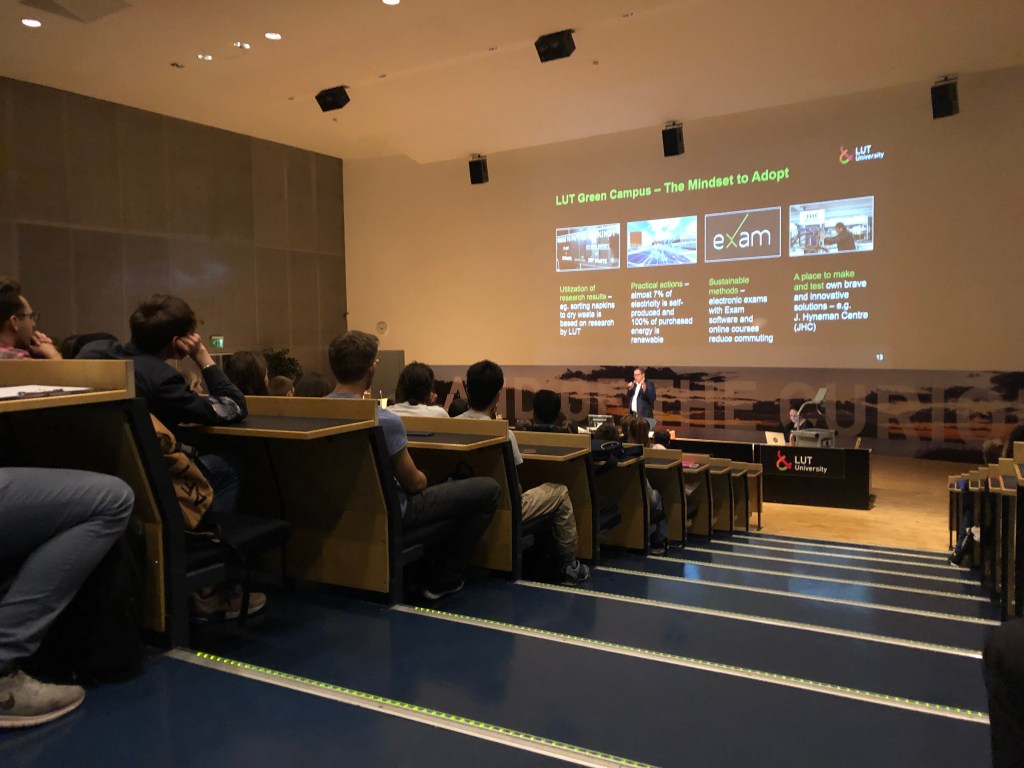
Master's programmes at universities last 2 years (120 ECTS) and are designed to deepen your expertise in a specific field. During your studies, you conduct scientific research and complete a Master's thesis at the end. Master's degrees from Finnish universities are highly valued both in the Nordic region and on the international job market.
4. Master's Degree at Universities of Applied Sciences (UAS)
Master's programmes at universities of applied sciences last 1–1.5 years (60–90 ECTS). An important requirement is that you need at least 2 years of professional work experience after completing your Bachelor's degree. These programmes are designed for working professionals who want to deepen their competencies and advance their careers.

The Grading System in Finland
Finland uses a scale from 0 to 5 (at some universities, from 1 to 5):
- 5 – Excellent (highest grade)
- 4 – Very good
- 3 – Good
- 2 – Satisfactory
- 1 – Minimum passing grade
- 0 – Failed
For some assessments, a simple Pass / Fail system is also used. Grading often includes not just exams but also project presentations, group work and practical assignments.
Study-Life Balance and Career Opportunities
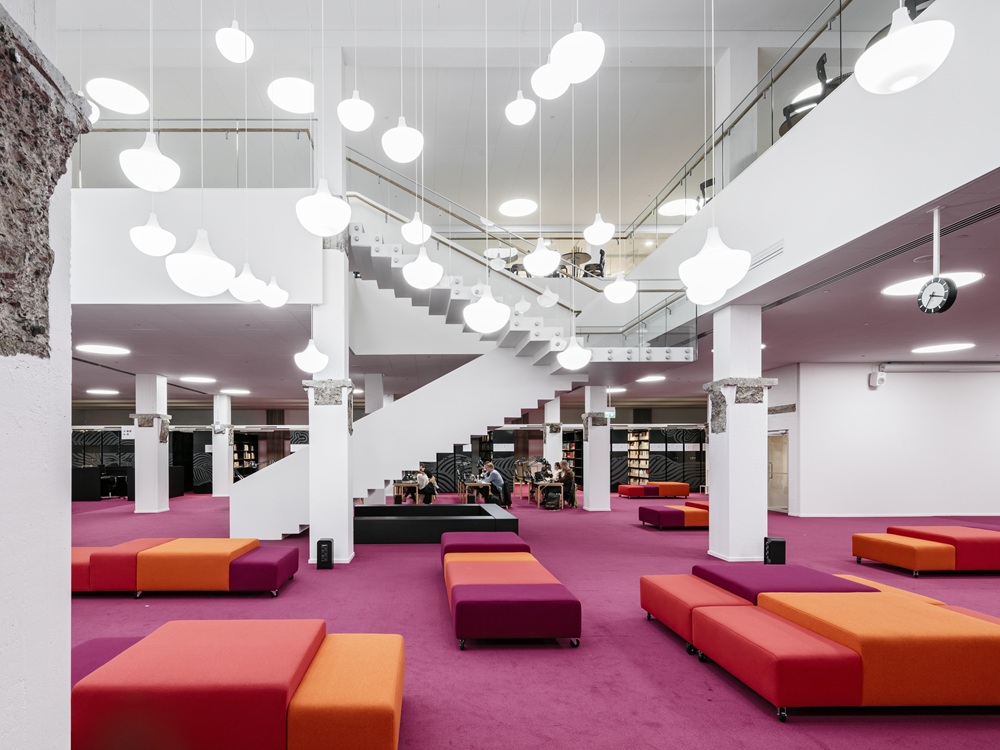
Finland is known for its excellent study-life balance. The academic calendar is clearly structured – the academic year starts in September, with studies divided into two semesters. Students have plenty of time not only for their studies but also for leisure, sports and social life.
Finnish nature and the changing of four seasons provide a unique living experience – from the Northern Lights in winter to the white nights of summer. Student life is active: universities have strong student organisations, sports clubs and cultural events. Moreover, Finnish higher education is closely connected to the job market – during internships and projects, students build valuable professional networks.
Frequently Asked Questions
What is the difference between universities and universities of applied sciences?
Universities focus on scientific research and theory – they offer Bachelor's (3 years) and Master's (2 years) programmes. Universities of applied sciences (UAS) focus on practical learning and specific professions – they offer Bachelor's (3.5–4 years) and Master's (1–1.5 years) programmes with mandatory internships. Both types award internationally recognised degrees.
Is studying in Finland free of charge?
Yes, for EU/EEA citizens, studying in Finland is completely free – there are no tuition fees at either Bachelor's or Master's level. Students only pay a small student union fee (approximately 80–100 EUR per year), which provides access to student discounts and health services. Learn more about financial opportunities in our finances section.
Can I work while studying?
Yes. EU citizens can work in Finland without any restrictions – both during the academic year and during holidays. Many students work part-time to supplement their budget and gain professional experience. Learn more about work opportunities in our finances section.
How does the grading system work in Finland?
Finland uses a scale from 0 to 5, where 5 is the highest grade and 1 is the minimum passing grade. For some assessments, a simple Pass / Fail system is used. Grading often includes not just exams but also project presentations, group work and practical assignments.
Is an internship mandatory during studies?
At universities of applied sciences (UAS), an internship is a mandatory part of the study programme. Students work at real companies and organisations, gaining valuable professional experience. At universities, internships are not mandatory, but students conduct scientific research and participate in projects with business partners.
Do I need to speak Finnish?
No. All study programmes available through Kastu in Finland are taught entirely in English. You do not need to know Finnish – both your studies and everyday communication at the university take place in English. However, to better integrate into society and the job market, many universities offer free Finnish language courses.
Is it easy to adapt to Finnish academic culture?
Finnish academic culture is very welcoming for international students. The atmosphere is informal – professors communicate with students as equal partners, encouraging discussion and creative thinking. Although the lack of strict hierarchy may seem unusual at first, most students quickly adapt and appreciate this freedom.
Are studies career-oriented?
Yes. Especially at universities of applied sciences, studies are closely linked to the job market. Study programmes are developed in collaboration with the business sector, and during internships students work at real companies. Finland is known for its technology sector and innovation ecosystem, offering broad career opportunities.
Is there a lot of group work at Finnish universities?
Yes, group work and project-based learning are important elements of Finnish studies. Many projects are completed in teams, often in collaboration with real companies. This develops cooperation, communication and problem-solving skills. Teams are often international, making it a great opportunity to experience different cultures.
What are the requirements for Master's studies at universities of applied sciences?
Master's programmes at universities of applied sciences (UAS) last 1–1.5 years and are designed for working professionals. To apply, you need a Bachelor's degree and at least 2 years of professional work experience after graduation. These programmes allow you to deepen your professional competencies and advance your career while continuing to work.